



SYMPOSIUM
February 14-15, 2026
Rhapsody mural detail; 1021 East 11th st. by John Yancey, Luis Alicea, Steven B. Jones
Saturday, February 14th
MRH 2.614
Butler School of Music
2406 Robert Dedman Dr.
Austin, TX 78712 MRH 2.614
Sunday, February 15th
Millennium Youth Entertainment Complex
1156 Hargrave Street
Austin, TX 78702
The Musicology/Ethnomusicology division of the Butler School of Music in co-sponsorship with the College of Fine Arts invites scholars, students and music professionals to submit proposals for our upcoming symposium on labor, organizational and structural issues around musicking and community. The 21st century is marked by many seismic shifts in what it means to be a working musician: from the proliferation of digital reproduction and erosion of social services to the emerging impacts of the COVID-19 pandemic, musicians are under increasing pressure to piece together opportunities in the “gig economy” (i.e., free-lance work). Yet in many places in the world and throughout much of recorded history, “gig economy” best describes the conditions of musical labor: overwhelmingly temporary, event-specific, and inherently insecure. Only within the past 10 years have music scholars and advocates explored musicians’ labor in light of their contributions to economic circuits, tourism, government policies, and urban development. Indeed, it has been through the systematic study of such contributions that music advocates have won modest gains in the working conditions of musicians. The proposed symposium would further such impact-oriented studies by merging academic research on musical labor with first-hand insights from community leaders, musicians and managers.
Our symposium features academic panels and papers on Saturday 2/14, with community-based musicians and activists on Sunday 2/15; all interspersed with musical participatory offerings.
Keynote Speaker
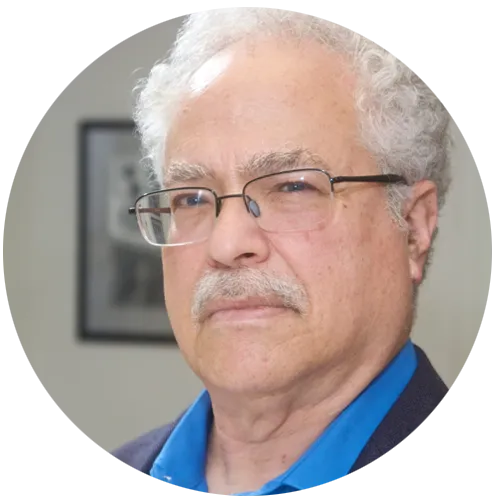
George Lipsitz
Research Professor Emeritus of Black Studies and Sociology
University of California, Santa Barbara
ABSTRACT
’Knowing the Work You Want Your Work To Do:’ Why Music Matters Now explores the dangers, obligations, and opportunities attendant to making and studying music at this moment in history. In a world suffused with hate, hurt, fear, calculated cruelty, and organized injustice, music making may seem like a personal indulgence and a luxury that aggrieved communities cannot afford. I argue, however, that music can promote skills and dispositions vital for the self-defense, self-definition, and self-determination of aggrieved individuals and groups. Community based music making (and music based community making) deepen individual and collective capacities for accompaniment, attentiveness, readiness, and willingness, for perceiving possibilities and for bringing new worlds into being.
BIOGRAPHY
George Lipsitz is Research Professor Emeritus of Black Studies and Sociology at the University of California, Santa Barbara. His books addressing music topics include Time Passages, Dangerous Crossroads, Footsteps in the Dark, Midnight at the Barrelhouse, The Fierce Urgency of Now (with Daniel Fischlin and Ajay Heble), and Insubordinate Spaces (with Barbara Tomlinson). He has two books scheduled for publication in 2026: Ethnic Studies at the Crossroads and Puentes Sonoros: Three Moments of Mexican Music in Los Angeles. Lipsitz edits the Insubordinate Spaces book series at Temple University Press and co-edits the American Crossroads series at the University of California Press. He was awarded the American Studies Association’s Angela Y. Davis Prize for public scholarship and that organization’s Bode-Pearson Prize for career distinction.
How To Attend
Attendance is open to the public and free for anyone who wants to attend. No registration is required.
Location, Food & Lodging
Location & Parking
Day 1 will take place inside Music Recital Hall (MRH), the home of the Butler School of Music. MRH 2.614 is located on the ground floor of MRH. See our Parking details for links to Google & Apple maps, and more parking information. Parking on the UT campus can be very frustrating. We recommend considering a rideshare service instead of bringing your own vehicle to campus.
Lodging
The following is a short list of hotels near The University campus. Prices are estimates taken from the hotel websites and are subject to change. Guests may find cheaper options available via third-party travel sites.
- La Quinta by Wyndham Austin Capitol/Downtown ~ $131/night
- DoubleTree Suites by Hilton Austin University Area ~ $184/night
- Hilton Garden Inn Austin University Capitol District ~ $189/night
- Moxy Austin - University ~ $232/night
Food
Walkable & Quick
- Snarf’s Sandwiches*
- Red River Cafe**
- Texas Espresso (Inside the Alumni Center)
- Taco Joint*
Big Lunch/Dinner
- Mi Madre’s*
- Aster’s Ethiopian Kitchen*
- Black’s BBQ on Guadalupe St.
- Via313 Pizza**
- Spicy Boys Chicken
- Este | Seafood Restaurant
- Dai Due
Evening Hang
* vegetarian & vegan options available
** vegetarian, vegan & gluten free options
other listed restaurants either do not offer these options, or it is unclear what options may be available.
Contact
For questions about the event, please contact the event organizers.


Sponsors
This symposium is made possible in part by generous support from the College of Fine arts at The University of Texas at Austin, Prosper XO, and the Center for American Music.


